Why Canadians Use Hot Tubs Differently
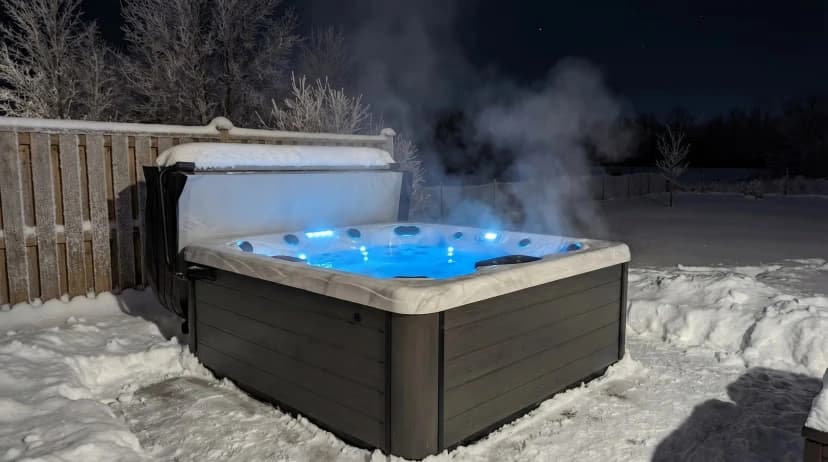
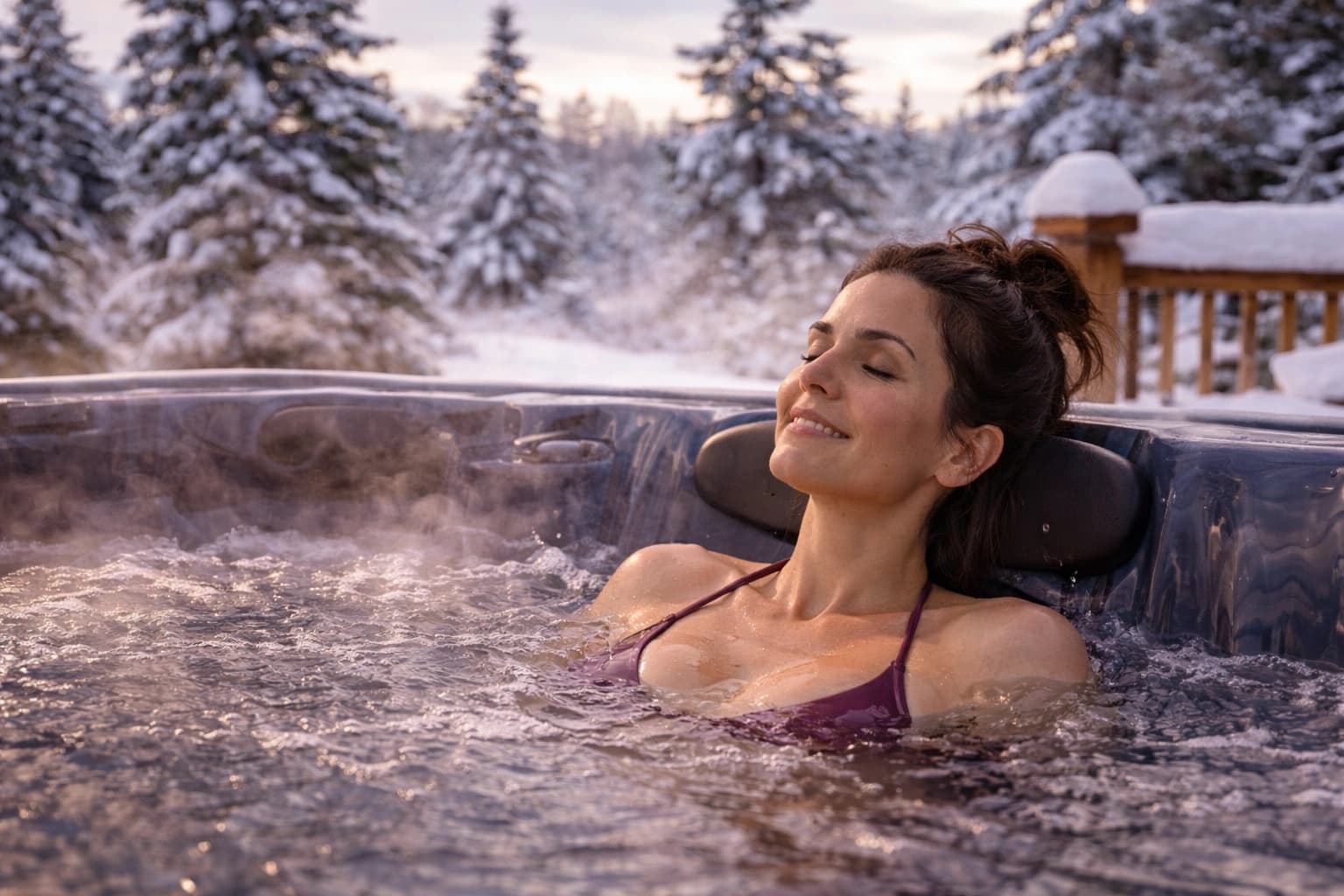
In southern US states, a hot tub is a warm-weather luxury. In Ontario, it is a year-round wellness tool - and the usage patterns reflect that. Hamilton averages 117 frost days per year. The winter months that make outdoor exercise difficult, that leave people cooped up indoors, that drive up stress and disrupt sleep, are exactly the months when hot tub use spikes.
This is not incidental. The physiological effects of warm-water immersion are real and well-documented. We are not making wellness claims to sell hot tubs - we are summarizing what researchers at McMaster, the Arthritis Society of Canada, and international hydrotherapy researchers have found. The data is genuinely compelling, particularly for the health challenges that Ontario's climate amplifies.
36%
Sleep onset improvement (post-soak)
1 in 5
Ontario adults with arthritis
117+
Hamilton frost days per year
40%
Canadians reporting high stress
Visit the Hamilton Showroom
1171 Upper James St Unit 9A, Hamilton. Walk in any time - no appointment needed. Free delivery across Hamilton and the GTA.
The Science Behind Hydrotherapy
Hot tub therapy works through three overlapping mechanisms: heat, buoyancy, and hydrostatic pressure.
Heat causes vasodilation - blood vessels expand, circulation increases, and muscles relax. Core body temperature rises moderately, triggering systemic responses including the release of endorphins and the suppression of cortisol (the primary stress hormone). The effect is similar to moderate aerobic exercise in terms of circulatory response, which is why a 2016 University of Oregon study found that one hour of passive hot water immersion produced a caloric expenditure equivalent to a 30-minute walk.
Buoyancy reduces effective body weight by up to 90% when immersed to shoulder level. For people with joint pain, arthritis, or mobility limitations, this means movement becomes possible with dramatically reduced stress on affected joints. Exercises that are painful on land become manageable in water.
Hydrostatic pressure - the uniform pressure of water against the body - improves circulation by gently compressing the peripheral circulatory system, improving venous return to the heart. It also has a calming effect on the nervous system similar to compression therapy.
Joint Pain and Arthritis Relief
Roughly one in five Ontario adults lives with arthritis, according to the Ontario Ministry of Health. Osteoarthritis (the wear-and-tear form) and rheumatoid arthritis both respond well to warm hydrotherapy, though the mechanisms differ.
For osteoarthritis, warm water reduces joint stiffness and allows range of motion that would be painful on land. Many physiotherapists in Hamilton recommend aquatic therapy or hydrotherapy as an adjunct treatment - and a home hot tub puts that therapy available daily rather than requiring a clinic visit.
For rheumatoid arthritis, heat and buoyancy reduce the inflammation-related pain during flares when gentle movement is beneficial but weight-bearing exercise is not. The Arthritis Society of Canada notes warm water immersion as an evidence-based complementary therapy for both forms.
Jet placement matters for arthritis users. Look for models with adjustable jets that can target the lumbar region, hips, knees, and hands/wrists - the most commonly affected sites. Maple Spas models carry dedicated foot dome jets, shoulder jets, and lumbar jets with individual flow control, which is why they are frequently purchased specifically for therapeutic use.
Sleep Quality: The Most Under-Talked Benefit
This is the benefit that surprises people most, and the research is remarkably consistent. A 20-30 minute soak in a hot tub at 38-40C approximately 90 minutes before bed measurably improves sleep quality for most adults - specifically sleep onset speed and time spent in deep sleep stages.
The mechanism is core body temperature. Sleep onset requires a drop in core temperature. A hot tub soak raises body temperature, and the subsequent cooling that occurs after you get out triggers a sleep-facilitating temperature drop that is faster and more pronounced than the body achieves on its own. The Sleep Foundation reports that this passive body heating method improves sleep onset by up to 36% compared to no pre-sleep intervention.
For shift workers (a significant demographic in Hamilton with its manufacturing and healthcare sectors), for parents of young children, and for anyone who struggles with sleep onset, this is worth treating seriously. Many of our customers report this benefit more emphatically than any other.
Stress Reduction and Mental Health
Cortisol is the body's primary stress hormone. Warm water immersion suppresses cortisol production and stimulates the parasympathetic nervous system - the "rest and digest" mode that counteracts the chronic low-grade stress response that drives anxiety and emotional dysregulation.
A 2023 Ipsos survey found that 40% of Canadians report high stress as a persistent challenge. The winter months in Ontario are a particular driver - reduced daylight, cold-weather confinement, and reduced outdoor exercise opportunities compound work and family stress.
Beyond the biochemistry, there is a simpler factor: a hot tub is a dedicated space for screen-free decompression. Most users report that the ten minutes before getting into the tub (the act of going outside, covering the tub, waiting for it to warm) and the soak itself function as a deliberate transition from work-mode to rest-mode. That ritual value is real, even if it is hard to quantify.
Visit the Hamilton Showroom
1171 Upper James St Unit 9A, Hamilton. Walk in any time - no appointment needed. Free delivery across Hamilton and the GTA.
Cardiovascular and Circulation Benefits
Moderate hot tub use has documented cardiovascular benefits, particularly for people who cannot engage in traditional exercise due to mobility limitations. The 2016 University of Oregon study (passive heating study) documented that regular hot water immersion over six weeks reduced resting blood pressure and improved arterial function in participants who could not exercise due to chronic conditions.
Important caution: these benefits apply to people at normal cardiovascular health risk. If you have diagnosed hypertension, heart disease, or are on cardiac medications, consult your physician before regular hot tub use. The cardiovascular stimulation that is beneficial for most people can be contraindicated for those with certain conditions. Water temperature above 40C and long soak durations (over 20 minutes) amplify both benefits and risks.
“Water temperature above 40C and long soak durations (over 20 minutes) amplify both benefits and risks”
Muscle Recovery for Active Ontario Residents
For runners, cyclists, hockey players, and gym-goers in the Hamilton area, hot tub use post-exercise accelerates muscle recovery through increased circulation to fatigued tissue and reduced delayed onset muscle soreness (DOMS). The research here is consistent with the broader sports medicine literature on heat therapy for recovery.
Timing matters: the optimal window for post-exercise hot tub use is 1-2 hours after activity, not immediately after intense exercise when core temperature is still elevated. The soak should be at 38-39C (not 40C+), and 15-20 minutes is sufficient - longer soaks can cause dehydration in post-exercise states.
Safety and Who Should Be Cautious
Hot tub use is safe for the vast majority of adults when used appropriately. Standard guidelines: stay hydrated, limit soaks to 20 minutes at temperatures above 38C, exit if you feel lightheaded or overheated.
Groups who should consult a physician first: pregnant women (hot tub use above 38C is not recommended in pregnancy), people with uncontrolled hypertension, people on certain medications (blood pressure medications, sedatives, anticoagulants can interact with heat stress), and people with diabetes who have reduced sensation in their extremities.
Children under 5 should not use hot tubs. Children 5-12 should be limited to 104F (40C) water and 15-minute sessions. The Ontario Building Code barrier requirement (1.2m fence) exists specifically for child safety.
Visit the Hamilton Showroom
1171 Upper James St Unit 9A, Hamilton. Walk in any time - no appointment needed. Free delivery across Hamilton and the GTA.
What to Look For When Buying for Health Benefits
If therapeutic use is your primary motivation, jet quality and placement matter more than jet count. A Maple Spas 240V model with 40 precisely targeted jets will outperform a cheaper model with 80 jets that are not positioned where you need them.
Look for: lumbar jets adjustable to your height, shoulder and neck jets in a reclining seat position, foot dome jets for plantar circulation, and independent jet control so you can direct flow exactly where needed. Ask our showroom team to demo the jet systems on the models you are considering - this is the clearest differentiator between therapeutic-grade hot tubs and social-grade models that happen to have jets.
Frequently Asked Questions
How long should I soak in a hot tub for health benefits?
Most research on therapeutic hot tub use points to 15-20 minutes per session as optimal. Longer sessions at temperatures above 38C increase dehydration risk and can cause lightheadedness. For sleep benefit specifically, 20 minutes at 38-40C approximately 90 minutes before bed is the protocol most studied. Always stay hydrated - have water accessible during your soak.
Are hot tubs good for arthritis?
Yes. Both the Arthritis Society of Canada and international physiotherapy literature recognize warm hydrotherapy as an evidence-based complementary treatment for osteoarthritis and rheumatoid arthritis. Buoyancy reduces joint loading, heat reduces stiffness and pain, and targeted jets can provide local therapy to affected areas. This does not replace medical treatment but is a well-supported adjunct.
Can hot tubs help with anxiety and stress?
Warm water immersion measurably reduces cortisol levels and activates the parasympathetic nervous system - the physiological basis for stress relief. Regular hot tub use also creates a deliberate decompression ritual that many users report as one of the most meaningful lifestyle changes they have made. These effects are real but complement rather than replace treatment for clinical anxiety or depression.
What temperature should my hot tub be for therapeutic use?
For general therapeutic use, 37-39C (98-102F) is the most commonly recommended range in clinical hydrotherapy. Maximum recommended temperature is 40C (104F). Higher temperatures increase cardiovascular stress and dehydration risk without proportionally increasing therapeutic benefit. For arthritis specifically, 38C is often recommended as the effective minimum for sufficient vasodilation.
Is it safe to use a hot tub in very cold weather in Hamilton?
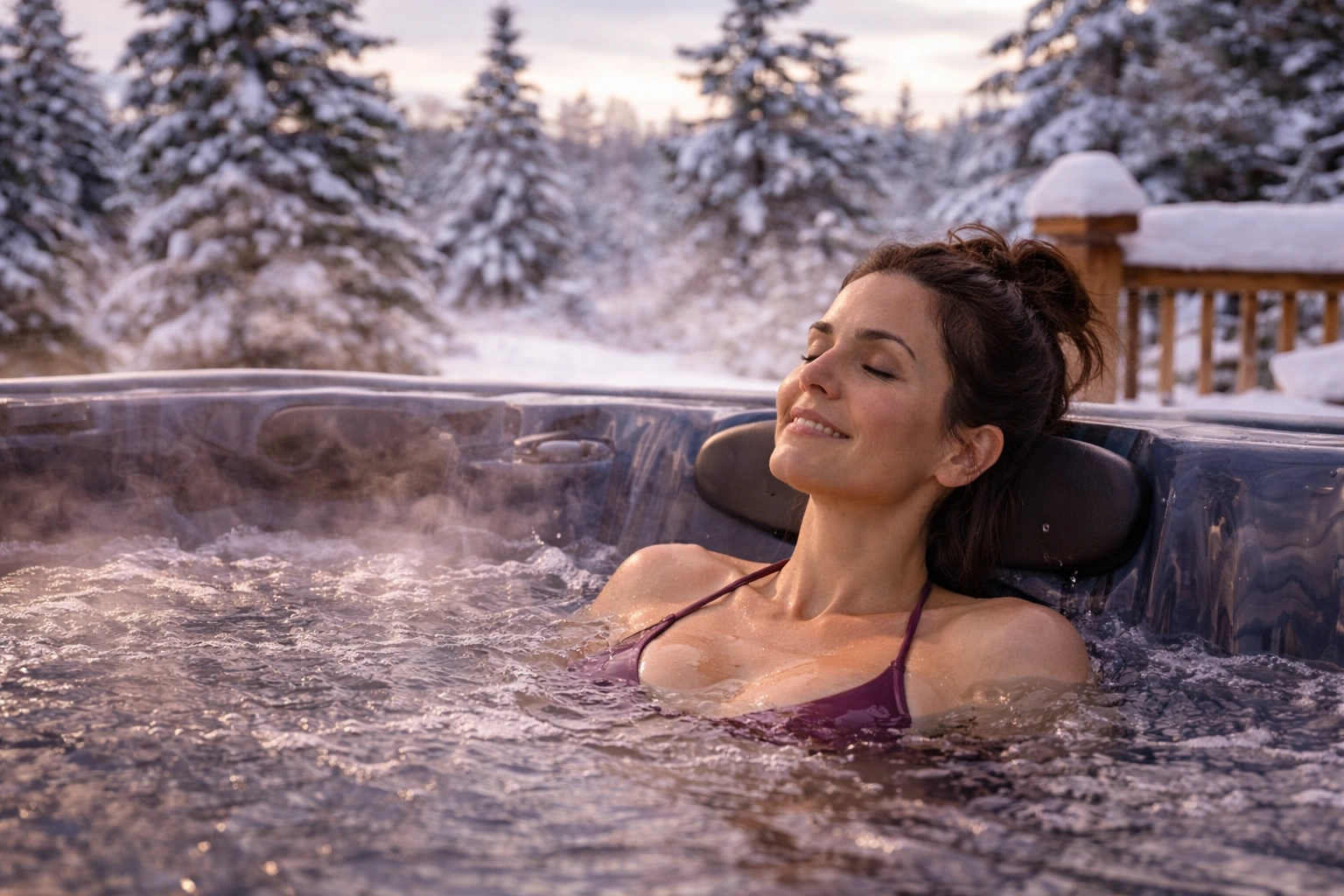
Yes. Moving from a warm interior to a hot tub in -15C to -20C weather is safe for healthy adults and is one of the most enjoyable aspects of winter hot tub ownership. The key is maintaining water temperature (a quality cover helps), avoiding slippery surfaces around the tub, and going back inside through a covered or short route. Contrast therapy (moving between cold air and hot water) is actually a recognized recovery technique in sports medicine.
Hamilton's Authorized Maple Spas, DreamMaker & Platinum Spas Dealer
Hot Tubs Hamilton has been serving the Hamilton, Burlington, and GTA area since 2018. We are an authorized dealer for Maple Spas, DreamMaker, Platinum Spas, and Be Well, located at 1171 Upper James St Unit 9A, Hamilton. Read more about Hot Tubs Hamilton Team →
Visit the Hamilton Showroom
1171 Upper James St Unit 9A, Hamilton. Walk in any time - no appointment needed. Free delivery across Hamilton and the GTA.